黑料网 is Here to Support
You and Your Growing Reader.
Early literacy development is vital to a child鈥檚 success in school and beyond.
Even if you took to reading and writing naturally as a child, you shouldn鈥檛
assume that your children will too. That is why it is important to nurture their
literacy skills and understand how the brain learns to read.
听
Where Do I Start?
For the best start, parents should understand the five essential components
to reading instruction and how they best fit in each grade level. These
components include:
- Phonological Awareness
Phonological awareness The awareness that words are composed of sounds and those sounds have distinct articulatory features.
- Phonics
Phonics Phonics is the ability to recognize letter-sound relationships in words.
- Fluency
Fluency听Fluency is the ability to read at an appropriate pace with accuracy and proper expression.
- Vocabulary
Vocabulary Vocabulary size and word-meaning strategies predict comprehension.
- Comprehension
Comprehension Understanding the meaning of text and integrating it with previous knowledge.
How Can I Help My Reader at Home?
Find more information below for age and grade level appropriate skills and
activities. We encourage parents to begin activities in the lower levels to help
analyze your child's development.
Pre-Kindergarten (Birth - 4 Years Old)
Phonological awareness is the foundation for learning to read. Phonological awareness skills begin to develop as a baby and throughout preschool beginning with the concept of a spoken word, recognizing and producing rhyme, and transitioning into syllable awareness around kindergarten. You can help your child develop these skills by making language a part of daily life.
Check out these Phonological Awareness Resources for parents of students in pre-kindergarten:
- Read to learn more about phonemic awareness听
- Download to understand where your child is with their PA capabilities
- Check out to learn how you can utilize talking, reading, and singing to build your child鈥檚 reading skills
- Check out to learn more about Phonological Awareness: The Foundation of Learning to Read
- Learn more about how listening helps in your child鈥檚 learning process in
- Learn more about 黑料网鈥檚 Phonological Awareness Training
- Play free, fun activties by visiting the website.听
听

Kindergarten - 2nd Grade (5 - 7 Years Old)
Once students enter kindergarten, they will move into more advanced phonological awareness skills and begin to be taught foundational phonics skills. 听Setting the foundation with phonological awareness and phonics will help children prepare for more advanced concepts helping them develop into fluent readers. 听Fluency is the bridge to comprehension and typically develops around first grade. 听Fluency can be practiced in several ways, including repeated readings, reader theaters, and decodable readers.
Check out these Phonological Awareness, Phonics, and Fluency Resources for parents of students in kindergarten through second-grade:
- Download to understand where your child is with their PA capabilities
- Watch to understand the break down of the 5 components of reading
- Read more about phonics activities you can use at home in
- Understand the 听
- Listen to the relationship between letters and their sounds in this
- Check out to practice CVC words
- Try a new way of playing Go Fish with
- Help your child skills for writing
- Understand reading fluency and how to improve it in
- Learn more about 黑料网鈥檚 Comprehensive Orton-Gillingham+ Training

3rd Grade and Beyond (8+ Years Old)
Around 3rd grade, there is a shift from learning to read to reading to learn. While many students may begin to read more for pleasure at this point, comprehension can be significantly affected because of the lack of vocabulary knowledge. 听Over half of the words students will encounter in texts will be multisyllabic. 听It is essential that students be taught prefixes, suffixes, and base words. 听Common Latin and Greek bases can be introduced after that. 听Breaking words down to the smallest units of meaning, called morphemes can help students build understanding and increase comprehension.
Check out these Fluency, Vocabulary, and Comprehension Resources for parents of students in third-grade and beyond:
- Understand reading fluency and how to improve it
- Learn how morphology helps with vocabulary in
- Check out these
- Visit our resource site to learn more about dyslexia and resources to help you understand how your child may best learn to read.听
- Learn more about 黑料网鈥檚 Morphology+ Training
听

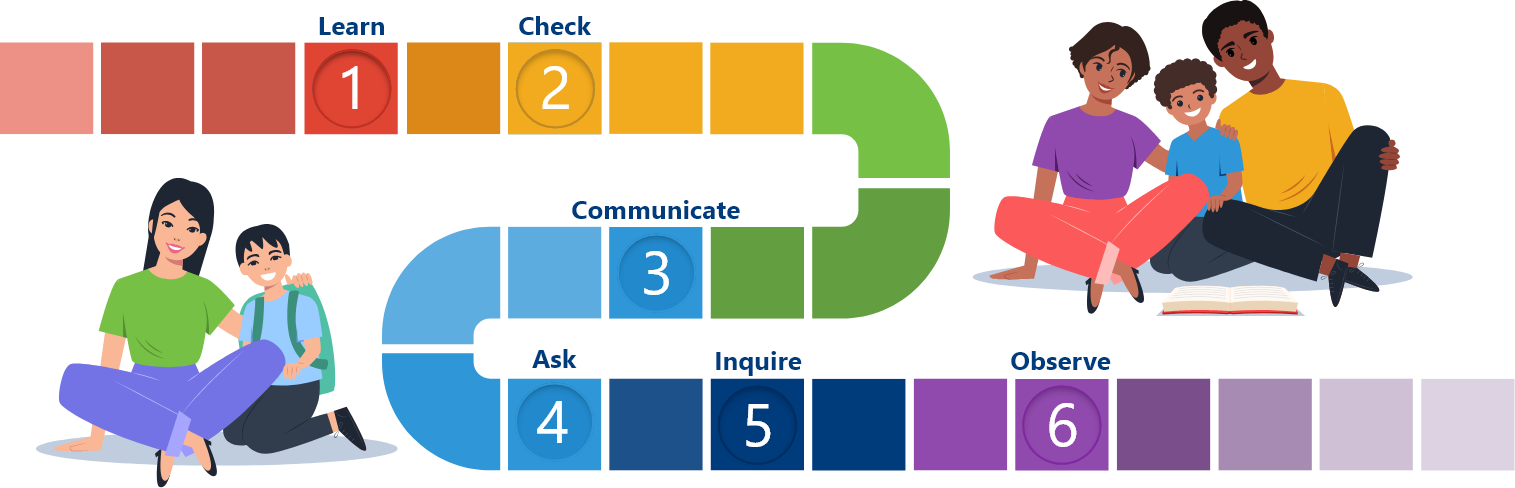
Steps for Parents of Struggling Readers
Ensure you are doing all that you can to help your struggling reader by taking the
below steps to address your child鈥檚 learning both at home and in the classroom
听
1. Learn
Check out these 黑料网 resources to gain more knowledge on , for at home learning, and the .
2. Check
Check , letter/sound knowledge, segmenting & blending, and phonics.
3. Communicate
Communicate any concerns you may have about your child鈥檚 reading with their teacher or principal.
4. Ask
Ask your child鈥檚 teacher if they are trained in and the ?
5. Inquire
Inquire about and materials you can be using at home to help with reading support.
6. Observe
Ask to sit in on your child鈥檚 reading lessons to understand how they best learn.
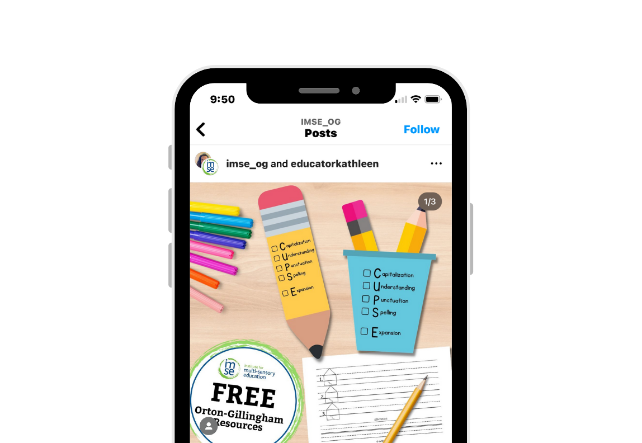
Explore Free Resources
黑料网 is constantly providing for parents to use with their struggling readers at home. Be sure to follow 黑料网 on Instagram to learn how you can use these tools at home.
1-in-5 Children Struggle with
Dyslexia. Know the Signs!
Visit our resource site to
learn more about dyslexia and resources to help
you understand how to effectively teach all
children to learn to read.

Looking for an 黑料网-Trained Tutor?
Many of 黑料网's Instructors and certified members are also tutors in their areas.
Search our database to find an 黑料网-approved tutor near you.